


17TRACK Package Tracker
4.013.16K Reviews
App Specs
- Version
- 3.1.6986
- Updated On
- License
- Free
- Downloads
- 10,000,000+
- Developer
- 98-910-7837
- Categories
- Shopping
- Platform
- Android, iOS
Screenshots
 Analysis by AppCompare
I find a parcel tracker most useful when orders come from several shops and each seller sends updates in a different way. 17TRACK Package Tracker is built for that everyday tangle: it brings shipment progress together so I can check one place rather than revisit a handful of order pages. The basic idea is simple, but its value depends on how often you shop, how much detail you need, and how patiently you can handle gaps between carrier scans.
It is a free shopping app from 17TRACK, with optional in-app purchases. Its 4.1 average from around 484,000 ratings suggests many shoppers find the central tracking view worthwhile, though that does not mean every parcel will update at the same pace. The app has been around since 2014, and its current version is 3.1.6896. I would treat it as a convenient organizer and status checker, not a guarantee that a carrier will provide fresh information every time I open it.
Getting Started with 17TRACK
Setting up 17TRACK Package Tracker is as easy as pie. After downloading it from the App Store or Google Play, you're welcomed with a clean and straightforward interface. No frills, just the essentials. You can start adding your tracking numbers right away—no need to create an account if you don't want to, which is a nice touch for those who value privacy.
Guides and Analysis on 17TRACK Package Tracker
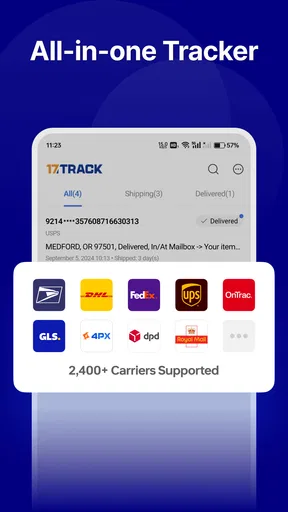
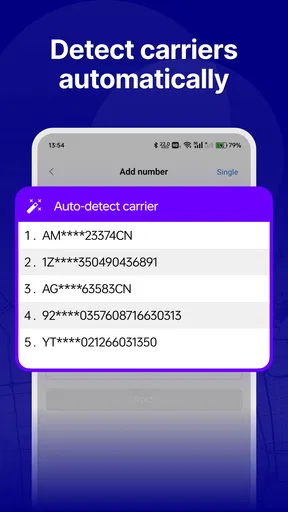
The app supports over 500 carriers worldwide, so no matter where in the world your package is coming from, 17TRACK has got you covered. I found it really convenient that it automatically detects the carrier from the tracking number, saving me from having to figure it out myself.
The User Experience
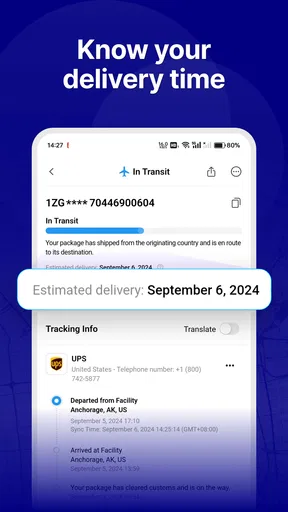
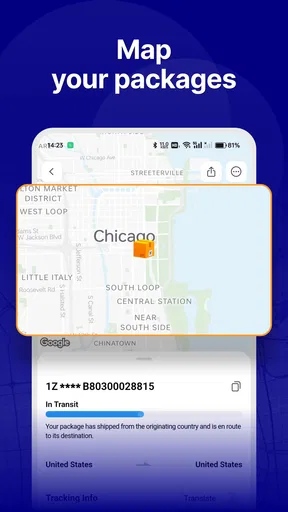
Navigating through the app is a breeze. The homepage displays all your active shipments, and you can see their status at a glance. Each package has a timeline view, which shows you every step of the delivery process. It's like having a mini-map of your package's journey.
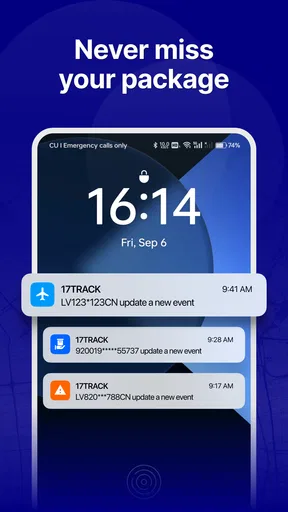
What I love most is the notification feature. Whether it's "out for delivery" or "delivered," you'll get real-time updates so you know exactly where your package is. This feature is a game-changer, especially if you're as impatient as I am when waiting for a delivery.
Customization and Features
One of the highlights for me is the ability to customize the app to suit my needs. You can categorize your packages, add notes, or even assign a name to each shipment. It's those little touches that make the experience feel personal.
Worth Reading Before You Choose

Google Calendar Makes a Crowded Week Easier to Manage

Ludo King Makes the Most of the Minutes Between Plans

Baby Panda World Brings Quick Play to Modern Phones, but Its Game Library Feels Busy

ESPN’s Live Game View Makes Following Close Games Easier

QuizzLand Review: A Good Fit for Short Trivia Breaks, Not Every Player

Basketball Stars: Multiplayer Is Fast, but Can It Recover When Matches Go Wrong?
The app also offers a barcode scanner to input tracking numbers instantly. It's perfect if you've got a pile of packages and don't want to type each number manually. Plus, the app supports multiple languages, which is a huge bonus if you're not a native English speaker.
Keeping a Busy Delivery List Manageable
The strongest case for using a separate tracker is a week when several orders are moving at once. Imagine buying a household item from one shop, a gift from an international seller, and a replacement part from another retailer. Rather than remembering which order page belongs to which parcel, I can give each shipment a recognizable name and use the list as a small delivery dashboard. That makes a practical difference when tracking codes look alike or when a notification arrives without enough context to tell me what is coming.
My useful habit would be to name a parcel as soon as I add it, using the item or the person it is for, then add a short note only if there is something I will need to remember. For example, a note can distinguish two similar orders or remind me that a delivery is meant as a gift. This is more helpful than leaving a long list of bare tracking numbers and trying to reconstruct it later from email receipts.
There is a trade-off: a consolidated list needs a little tending. Once an order is delivered, reviewing the list and keeping attention on parcels still in transit helps prevent old entries from crowding the items I actually care about. If I only order occasionally, opening a retailer's own order page may be less effort than maintaining another list. The app becomes more compelling when the number of sellers and shipments makes that switching annoying.
Speed Expectations and the Scan Gap
A tracking app can show a carrier's latest recorded event, but the parcel itself does not generate a new scan every time it moves. I would not read a quiet timeline as proof that a shipment is stuck, nor expect opening the app repeatedly to make a carrier post new information. When a parcel is between facilities or waiting for its next scan, the most useful response is usually to check again later rather than refresh every few minutes.
This distinction matters for delivery-day planning. A status such as “out for delivery” is useful context, but it is not the same as a precise arrival appointment. I would use the update to know that a parcel may arrive that day, while still relying on the seller or carrier's own instructions for any detail that affects whether I need to be home. For a time-sensitive delivery, the original carrier channel is the better place to verify the latest operational guidance.
Notifications are convenient when they arrive at the right moment, but I would keep expectations measured: their usefulness depends on new tracking events becoming available. If I am waiting for something important, I can open the shipment timeline for a quick check instead of assuming that the absence of an alert means nothing has changed. That small distinction prevents an otherwise handy notification feature from becoming a source of unnecessary worry.
Heavy-use Moments and Better Habits
The barcode scanner is particularly sensible when several parcels or labels are in front of me. It avoids the small but consequential typing mistakes that can send me down the wrong tracking trail. I would still glance over the number and the detected shipment after scanning; a quick check is a better safeguard than assuming every scan has been interpreted perfectly.
For a household that receives packages for more than one person, names and categories can turn the app into a shared mental filing system even if each person is simply checking their own list. A label such as “kitchen order” is easier to recognize at a glance than a code, and notes can preserve the context that disappears when a purchase confirmation is buried in an inbox. This is a modest feature, but it helps most when multiple deliveries overlap.
International shopping is another situation where one overview has clear appeal. A purchase from AliExpress, an eBay order, and a parcel bought through Amazon can leave me bouncing between different seller pages. 17TRACK is intended to bring tracking from those kinds of sources together, which is handy for seeing the broader picture. I would still keep the seller's order details accessible for returns, payment questions, or delivery instructions; a tracking organizer is not a replacement for the shop account where those issues are handled.
Reliability, Exceptions, and Recovery
Carrier detection reduces setup friction, especially when I do not immediately know which delivery company has the parcel. It is a useful first step, not a reason to stop checking the shipment details. If the number is new, incomplete, or not yet producing events, there may be little to show at first. I would confirm that I copied the code correctly and give the carrier time to register it before deciding that the tracker has failed.
When a timeline looks out of date, comparing it with the seller's order page or the carrier's own tracking page is the practical next move. Different tracking sources can present events at different times or levels of detail, so the app's clean overview is best for routine monitoring while the carrier remains the sensible authority for a delivery problem. If a parcel is marked delivered but I cannot find it, I would use the carrier and seller channels to investigate rather than expect a tracking app to resolve the dispute.
I also like that starting without an account is presented as an option, since it lets a casual user try the workflow without first committing to another sign-in. The trade-off is worth considering: people who switch devices or want a lasting, synchronized record should check what account or backup choices suit them before relying on a local list as their only record. I would keep order confirmations and important tracking numbers in their original email or shop account regardless.
Where It Fits Among Shopping Trackers
The usual alternative is to track each purchase inside the retailer's app or website. That approach is often better for order changes, refunds, invoices, and seller messages because those tools are tied directly to the purchase. The disadvantage is fragmentation: if I buy from several shops, I have to remember where each order lives. 17TRACK's appeal is the combined view, especially for people who shop across platforms or receive international parcels.
Compared with a carrier's own app, a general tracker is more convenient when the delivery company varies from order to order. A carrier-specific app may be the better choice when I need that company's delivery controls or the most direct information about a particular shipment. I see 17TRACK as a complement: use its overview to keep everyday parcels straight, and move to the merchant or carrier when the task is more than checking progress.
The app is free to install, though it includes optional purchases listed from around two dollars to around one hundred dollars per item. I would start with the free experience and decide whether any paid option is useful to my own routine, rather than assuming I need to spend to track ordinary orders. It is rated for Everyone and has more than 10 million installs, making it a familiar choice in the category, but popularity alone does not settle whether its workflow suits an occasional shopper.
Device Fit and Everyday Practicality
The Android version requires Android 5.0 or later, so it can suit a range of devices that meet that requirement. I would not infer from that alone how fast it will feel on a particular phone: device age, available storage, and other running apps all affect day-to-day responsiveness. For this kind of utility, the useful test is simple—can I add a tracking number, recognize the parcel, and find its latest event without fighting the interface?
Because the app is centered on checking shipment updates, it is not something I would need to keep open continuously. I would add orders when I have the tracking number, allow notifications only if timely alerts matter to me, and open the list when I want an overview. That approach keeps a lightweight task from becoming a habit of repeatedly checking a screen that cannot make a carrier scan happen sooner.
If an entry appears wrong or stops being useful, I would first recheck the number and carrier, then compare the result with the source where the order was placed. If the retailer has not yet handed the parcel to a carrier, there may be no meaningful journey to follow. Separating “not shipped yet” from “in transit without a fresh scan” helps set realistic expectations and makes troubleshooting less frustrating.
Who Will Get the Most from It
I would recommend it most to regular online shoppers who receive orders from different stores, especially when parcels cross borders or several deliveries arrive in the same week. The combination of carrier detection, a single shipment list, labels, notes, and a scan option addresses practical chores that otherwise turn into searching through emails and switching between websites. Its 10 million-plus installs and 13,000 reviews show that it has reached a broad audience, though individual needs still matter more than those figures.
It is less useful if I only place an occasional order and already find the retailer's built-in tracking clear. It is also not the right tool to depend on for guaranteed arrival times, delivery changes, refunds, or claims. Those needs belong with the seller or carrier. I would skip adding every low-priority purchase if doing so creates more upkeep than convenience; the app works best when I use it for the parcels I genuinely want to monitor.
Why You Might Love It
Now, let's talk about why you might find this app a must-have. If you're someone who regularly shops online, this app is a lifesaver. It consolidates all your tracking information in one place, allowing you to manage everything efficiently. The real-time updates mean no more guessing games about your delivery status.
Additionally, the app's ability to handle international shipments seamlessly means you won't have to switch between different tracking websites. This is especially useful if you order from international sellers on platforms like eBay or AliExpress.
Final Thoughts
In a world where online shopping is becoming the norm, having a reliable package tracking app makes all the difference. 17TRACK Package Tracker stands out with its ease of use, comprehensive features, and the sheer number of supported carriers.
Whether you're a casual shopper or someone who gets packages delivered every other day, this app will streamline your tracking process and take the stress out of the waiting game. So, if you haven't tried it yet, give it a go—you might just wonder how you ever managed without it.
My performance verdict is deliberately practical: this is a tracker for reducing the mental clutter of deliveries, not for controlling the delivery process itself. Its speed is most valuable when I can identify several parcels quickly; its reliability is best judged by whether it organizes available carrier events clearly, not by whether every event appears instantly. I would try it if juggling orders has become a nuisance, keep the merchant or carrier page for decisions and problems, and leave it off my phone if built-in order tracking already does everything I need.
Pros
- Supports tracking for 700+ carriers.
- Real-time updates on package status.
- User-friendly interface and design.
- Push notifications for delivery alerts.
- Free to use with optional premium features.
Cons
- Ads can be intrusive at times.
- Limited features in the free version.
- Occasional delays in tracking updates.
- No direct customer support chat.
- Requires internet for tracking updates.
FAQs for 17TRACK Package Tracker
What is 17TRACK Package Tracker and how does it work?
17TRACK Package Tracker is an app designed to help users track their shipments from over 220 countries and regions. By entering a tracking number, users can view the real-time status of their packages. The app consolidates information from various couriers into one easy-to-use interface, making it convenient to monitor multiple shipments simultaneously.
Is 17TRACK Package Tracker free to use?
Yes, 17TRACK Package Tracker is free to download and use. However, it may offer in-app purchases or premium features that provide additional functionalities, such as ad removal or advanced tracking options. Users can enjoy the core tracking features without any cost, making it accessible to everyone.
What types of packages can I track with 17TRACK?
17TRACK supports tracking for a wide variety of packages, including those shipped via major international couriers such as USPS, FedEx, DHL, and UPS. It also covers many regional and local carriers, making it versatile for tracking both domestic and international shipments. This extensive support ensures you can track almost any package.
How accurate is the tracking information provided by 17TRACK?
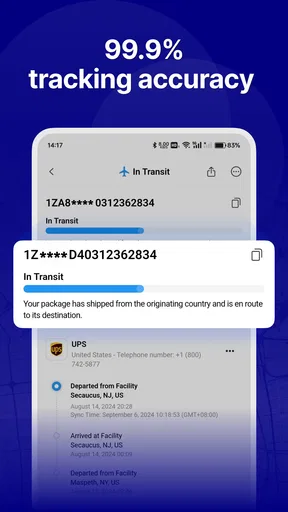
The accuracy of the tracking information on 17TRACK depends on the data provided by the respective courier services. 17TRACK compiles this data to offer real-time updates, but any delays or inaccuracies in the courier's system may reflect in the app. Generally, it provides reliable information, but occasional discrepancies may occur.
Can I receive notifications for my package updates with 17TRACK?
Yes, 17TRACK offers push notifications to keep you informed about your package status. You can customize notifications to receive alerts for specific updates, such as when a package is out for delivery or has been delivered. This feature ensures you stay updated without needing to check the app constantly.


